Modern design in ergonomic seating and functional furniture emphasizes clean lines, neutral tones, and adaptable configurations that complement contemporary interiors. This category highlights how minimalist aesthetics can integrate with versatile supports, encouraging both comfort and practicality. Key considerations include material durability, ease of maintenance, and compatibility with varied room layouts in residential setups.
Within this Modern category, the focus extends to elements that support ergonomic posture, breathable fabrics, and modular adaptability. Understanding how chairs and sofas respond to different body types, activities, and lighting conditions helps users select pieces that maintain comfort over extended use. Functional benefits often include space optimization and simple, intuitive adjustments.
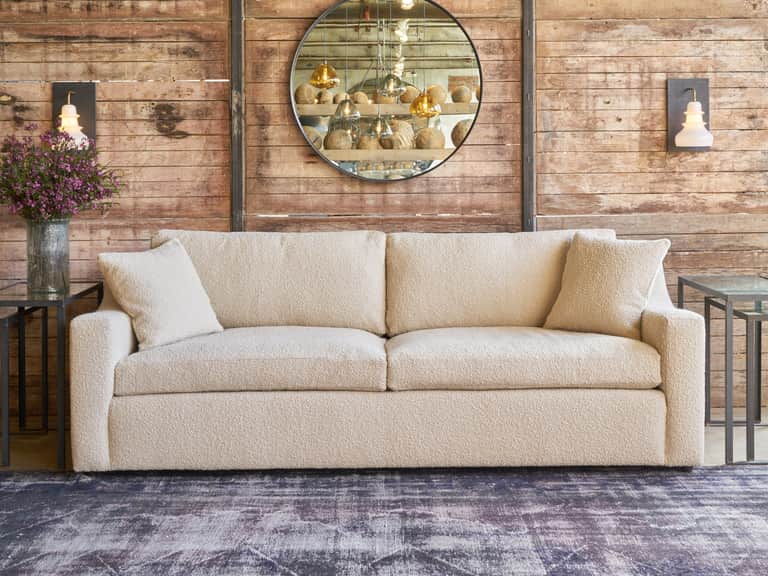
Product examples such as the Cisco Home Grant Sofa illustrate how modern design pairs with everyday usability. Features typically include streamlined silhouettes, supportive cushions, and scalable configurations that accommodate lounge or seating areas. Functional benefits arise from durable construction, easy-care materials, and accommodations for small or large living spaces alike.
In educational terms, users should assess seating systems for seat depth, back support, and arm height to ensure alignment with posture recommendations. Materials like high-density foam, resilient upholstery, and reinforced frame joints contribute to long-term comfort and stability. This category also emphasizes compatibility with bedding, pillows, and other room essentials for cohesive environments.
Understanding the interplay between form and function helps explain why modern interiors favor streamlined silhouettes and practical features. By examining product names, features, and functional benefits—such as modularity, durability, and ease of maintenance—consumers can make informed choices that suit diverse uses, including living rooms, bedrooms, and relaxation zones.
 Furniture